
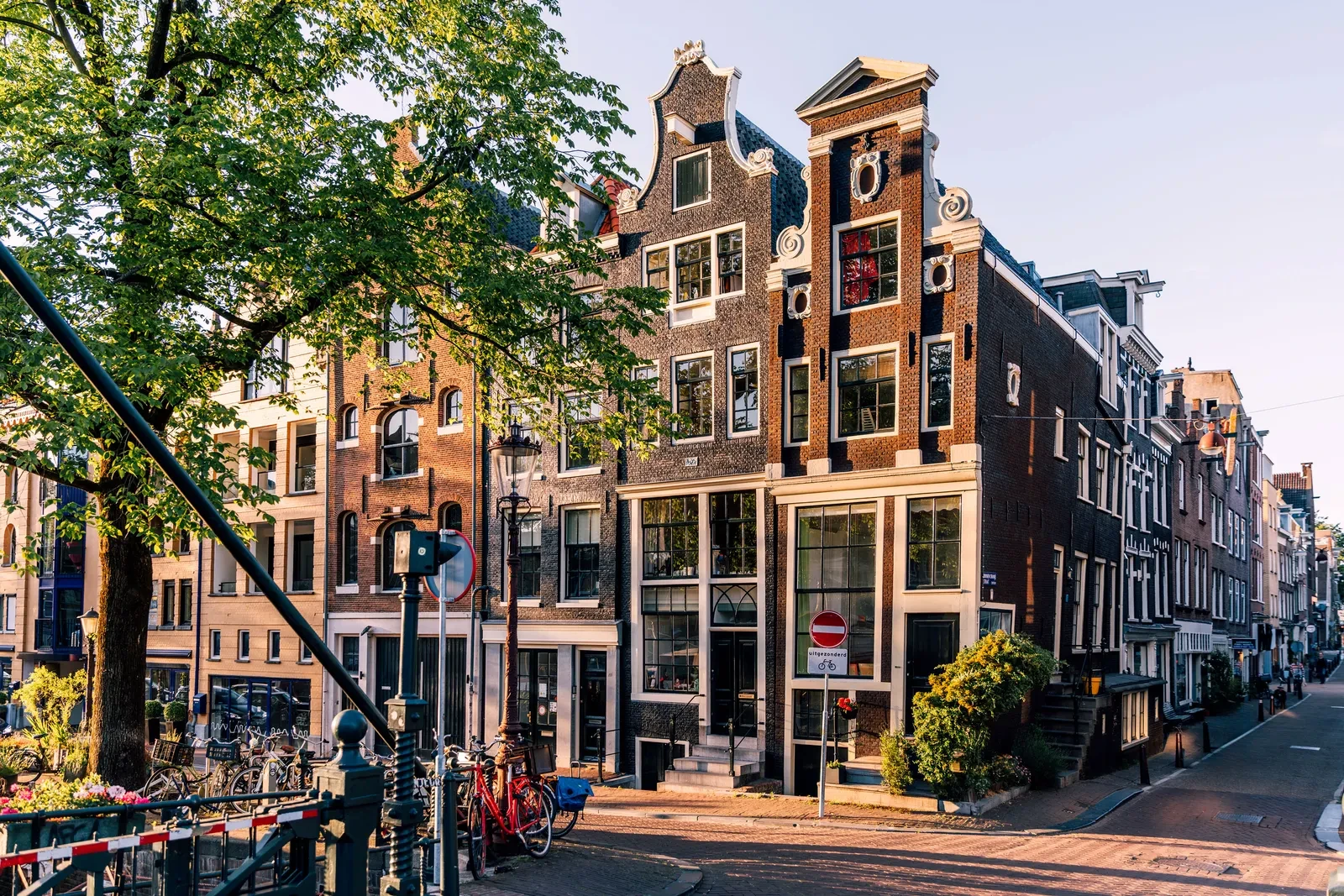
Why so many people are moving to the Netherlands
More and more internationals are choosing the Netherlands, and it’s easy to see why. Career opportunities in tech, life sciences, finance and research are strong, English is widely spoken, and the Dutch take work-life balance seriously. Add safe, bike-friendly cities, good schools and nature never far away, and it’s no surprise that people come for a job and end up staying for the lifestyle.
Why the rental market is so competitive
The Netherlands is a small country with a lot of people who want to live here. Demand for rental homes is much higher than supply, especially in the Randstad: Amsterdam, Utrecht, The Hague, Rotterdam, Haarlem and Leiden. Rents have risen in recent years, and good homes are often gone within days of being listed.
That’s why the people who find a home are rarely just the fastest. They are the ones who are prepared: they know what they want, where they want to live and have a complete application ready to send.
When to start your search
Start actively searching about six to ten weeks before your move date. Most homes are available within a month or two, so starting much earlier usually means the homes you see will be gone by the time you arrive. Starting later can mean paying for temporary accommodation while you search under pressure.
Use the weeks before that to prepare:
- Set a realistic budget, including service costs, utilities and internet
- Decide how far you are willing to commute before you fall in love with a neighborhood
- Gather your documents (see below)
- If possible, visit for a few days to explore the cities and areas you’re considering
Set a realistic budget: Housing, utilities and tax guide → · Need a place to stay first? Read our temporary housing guide →
Explore before you choose: where do you want to live?
The right neighborhood matters as much as the right home. Before you start viewing, think about:
- Work and commute: how far is it by bike, train or tram, and how often do you go to the office?
- Schools and childcare: international or Dutch schools, daycare and waiting lists
- Lifestyle: do you want restaurants and city life on your doorstep, or quiet streets and a garden?
- Working from home: if you work remotely, a spare room, good light and a quiet street may matter more than being central
- Walking distance: shops, parks, sports clubs and the station all make daily life easier
Each city has its own character. Our city guides for Amsterdam, Amstelveen, Haarlem, Utrecht, The Hague (Den Haag), Rotterdam and Leiden help you compare areas.
Which documents you need to rent a home
Dutch landlords and agents expect a complete file before they choose a tenant. Usually they want your gross monthly income to be around three to four times the monthly rent. What you need to show depends on your work situation, and this is where many applications go wrong.
If you are employed
- Valid passport or ID
- Employment contract
- Employer’s statement (werkgeversverklaring)
- Your last three payslips
- A reference from a previous landlord, if you have one
If you are self-employed or a freelancer
- Valid passport or ID
- Extract from the Chamber of Commerce (KvK)
- Annual figures or income tax returns for the last one to two years
- Sometimes a statement from your accountant
Because self-employed income can vary, landlords may ask for more proof. Recent business owners and DAFT entrepreneurs often need extra preparation, such as a larger deposit, a guarantor or paying several months upfront.
If you own a business (director-major shareholder)
- Valid passport or ID
- Company annual accounts
- Proof of your salary from your own company
- Sometimes an accountant’s statement or proof of savings
If you are moving from outside Europe
- Your residence permit, or proof that it has been applied for (for example through your employer’s sponsorship)
- Your employment contract or proof of income in the Netherlands
Many non-EU newcomers don’t have a Dutch income history or a previous Dutch landlord yet. A clear employer letter and a well-prepared file make a big difference.
Tip: prepare everything as clear PDFs in English or Dutch, so you can apply within minutes when the right home appears.
Viewings: what to look at beyond the photos
Ask about the energy label, heating and insulation, because energy costs vary a lot, especially in older homes. Check whether you can register at the address with the municipality (you need this for your BSN), whether there’s bike storage and how noise travels between floors.
If you can’t be here in person, ask for a live video viewing. Never pay a deposit or rent for a home you haven’t seen or before you’ve signed a contract. Rental scams do happen.
Read the contract before you sign
Look at the contract type and duration, how and when the rent can be increased, what the service costs cover and which maintenance is your responsibility. Since 2024, most new rental contracts are indefinite, and the deposit is limited to a maximum of two months’ basic rent. If anything is only in Dutch, get it explained before you sign, not after.
At check-in, photograph everything. A dated set of photos is the simplest way to protect your deposit.
Frequently asked questions
Want help with your search?
Tell us about your move, your work situation and the kind of home you’re looking for. In a free 15-minute call, we’ll help you plan your search and prepare the right documents.
Book a free callThis article is general information, not legal, tax or immigration advice. Rules change and municipalities differ, so check your own situation with a licensed specialist or with us.